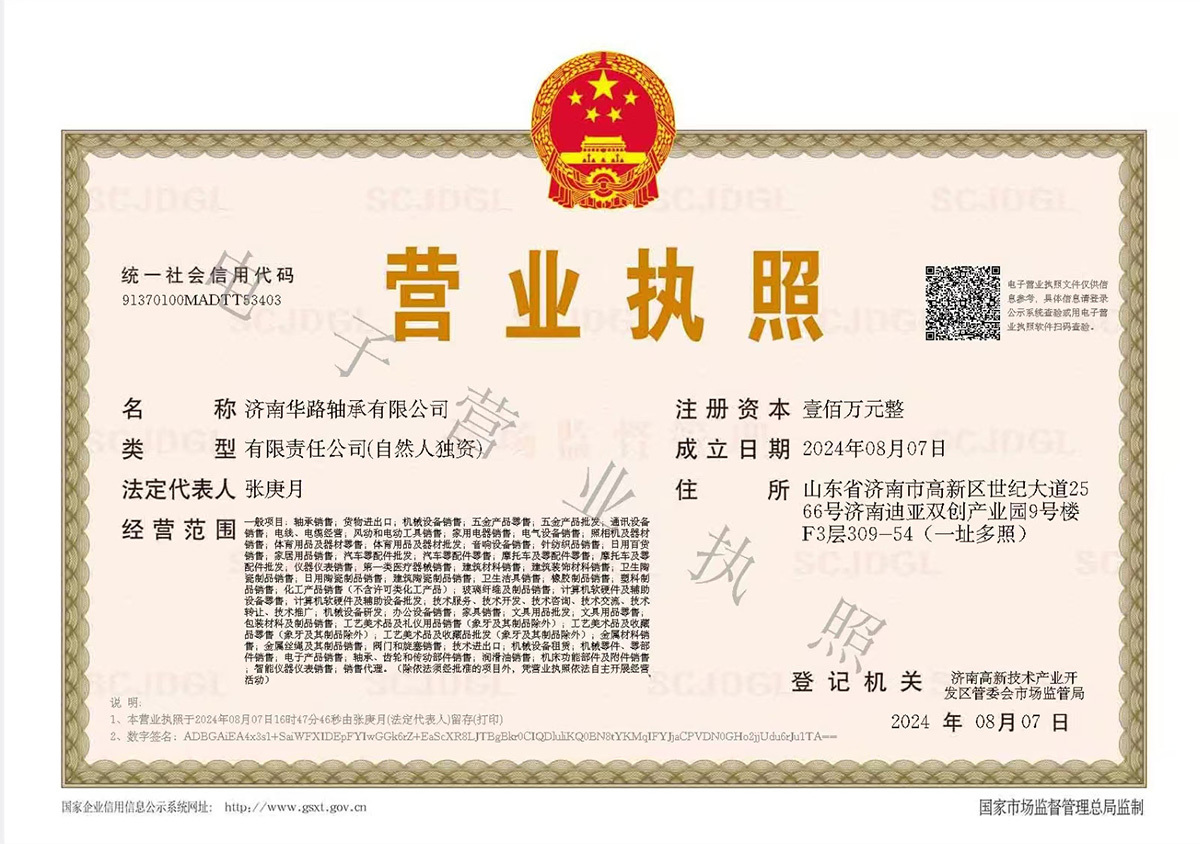
Shandong Hualu International Trade Co., Ltd.


Enhancing Performance with High-Carbon Chromium Bearing Steel Cone Rollers
Release time:
2026-08-17
High-carbon chromium bearing steel cone rollers are essential components in the realm of industrial equipment and machinery, particularly in bearing systems. These rollers are engineered from high-carbon chromium steel, a material known for its superior hardness, wear resistance, and ability to withstand heavy loads. The incorporation of high carbon content improves the hardness of the steel, whil
One of the core advantages of using high-carbon chromium bearing steel is its exceptional mechanical properties. This type of steel generally exhibits a hardness level of around 60 HRC after proper heat treatment, making it suitable for applications that require high load capacities and prolonged service life. Additionally, the microstructure of this steel allows for improved fatigue strength, enabling it to endure cyclic loading conditions over extended periods without succumbing to failure.
In terms of applications, high-carbon chromium bearing steel cone rollers are widely used in various industrial sectors, including automotive, aerospace, and manufacturing. In automotive applications, for instance, these rollers can be found in wheel bearings, where their ability to manage radial and axial loads is crucial for vehicle performance and safety. In manufacturing, they are utilized in conveyor systems and machinery where consistent, smooth motion is needed to enhance productivity.
Another important aspect of high-carbon chromium bearing steel cone rollers is their ability to reduce friction. The smooth surface finish and precise geometry of the rollers promote efficient motion within the bearing assembly, which translates to lower energy consumption and reduced wear and tear on other components. This friction reduction is particularly beneficial in applications with high operational speeds and loads, as it helps to maintain the integrity of the entire system.
Furthermore, the longevity of high-carbon chromium bearing steel cone rollers leads to lower maintenance costs and improved overall operational efficiency. By selecting these high-performance rollers, businesses can expect to enhance the reliability of their machinery while minimizing downtime associated with bearing failures.
In conclusion, high-carbon chromium bearing steel cone rollers are vital components in the industrial equipment sector, providing exceptional performance characteristics that cater to demanding applications. Their high hardness, wear resistance, and ability to reduce friction not only enhance the efficiency of bearing systems but also extend their operational life. As industries continue to seek reliable solutions for their machinery, these rollers stand out as a robust choice for optimizing performance in various applications.
RELATED NEWS
How to Select Stainless Steel Cone Roller Bearings for Heavy-Duty Use: A Comprehensive Guide
How to Select Stainless Steel Cone Roller Bearings for Heavy-Duty Use When it comes to industrial machinery, selecting the right components is crucial for efficiency and longevity. One of the key components that often demands attention is the bearing. In this guide, we will explore the process of selecting **stainless steel cone roller bearings** specifically designed for **heavy-duty use**. These
2026-10-11
High-carbon chromium bearing steel cone rollers are crucial components widely used in various industrial applications, particularly in bearings for machinery and equipment. These rollers are specifically designed to withstand high loads and provide exceptional durability, making them ideal for heavy-duty environments. The primary material, high-carbon chromium steel, offers a combination of high h
2026-10-06
Why Stainless Steel Balls are the Future of Bearing Technology
Why Stainless Steel Balls are the Future of Bearing Technology Table of Contents 1. Introduction to Bearing Technology 2. The Role of Balls in Bearings 3. Advantages of Stainless Steel Balls 3.1 Durability and Longevity 3.2 Performance Efficiency 3.3 Corrosion Resistance 4. Applications of Stainless Steel
2026-10-01
Understanding 6000 Deep Groove Ball Bearings: Essential Insights for Professionals
Deep groove ball bearings are integral components in a wide array of industrial applications due to their versatility and performance standards. The 6000 series, in particular, is notable for its dimensions and specifications, making it a popular choice in various machinery and equipment. The 6000 deep groove ball bearings are characterized by their simple design, which allows for easy installatio
2026-09-26
Innovations in 6200 Deep Groove Ball Bearings: Revolutionizing Performance and Efficiency
Innovations in 6200 Deep Groove Ball Bearings: What’s New in the Market? Understanding the 6200 Deep Groove Ball Bearing The **6200 deep groove ball bearing** is a pivotal component in various industrial applications, known for its versatility and reliability. These bearings facilitate smooth rotational movements, reducing friction between moving parts. The 6200 series is favored for its ability
2026-09-21
Understanding 6300 Deep Groove Ball Bearings: A Comprehensive Guide for Industrial Applications
Deep groove ball bearings, particularly the 6300 series, are a vital component in many industrial applications. These bearings are designed to support both radial and axial loads, making them versatile for use in a range of machinery. The 6300 series specifically refers to bearings with a bore diameter of 10 mm to 100 mm, with the designation "6300" indicating a specific size and load capacity. On
2026-09-16
GET A FREE QUOTE
CONTACT US
Email : hlbearing@hlgq-steelball.com
Address : Yandian Town, Linqing City, Liaocheng City, Shandong Province
Copyright 2025 : Shandong Hualu Steel Ball Co., Ltd. Powered by:CEglobal SEO BUSINESS LICENSE